

Male hair loss,
assessed properly
in Bristol
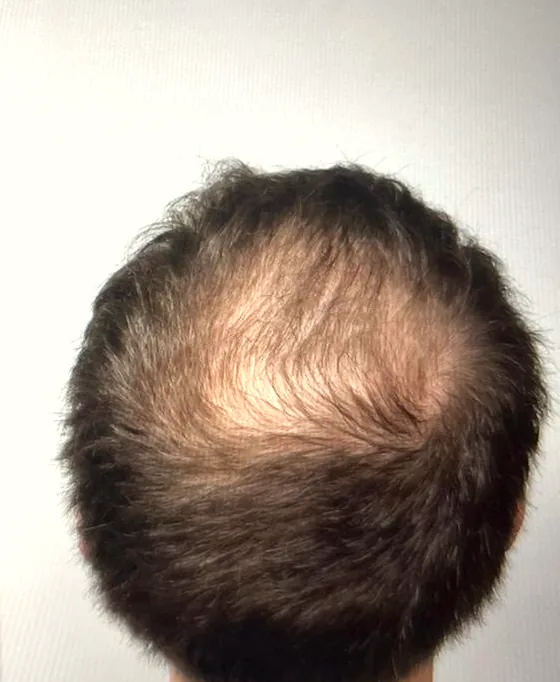
Male pattern hair loss commonly presents as progressive recession around the hairline and temples, or thinning through the crown. Genetic and hormonal factors frequently play a role. But not every case of male hair loss is male pattern hair loss.
In short
What causes hair loss in men?
Male pattern hair loss commonly presents as progressive recession around the hairline and temples, or thinning through the crown, and genetic and hormonal factors frequently play a role. But not every case of male hair loss is male pattern hair loss.
Increased shedding, scalp conditions and other contributing factors may also need to be considered before anyone concludes what is happening. Hair loss does not necessarily mean every follicle in a thinning area has been permanently lost, which is why an early assessment matters.
- Typically presents as
- Recession, crown thinning, shedding
- Assessed with
- Microscopy, on a screen you can see
- Baseline record
- Taken on your first visit
- Reviewed
- every 2 months
- Surgery first
- No
- First step
- A complimentary consultation
How it tends to present
- Progressive recession around the hairline and temples
- Thinning through the crown
- Increased or sudden shedding
- Loss of density across the mid scalp
- Changes in scalp health or hair quality
Increased shedding, scalp conditions and other contributing factors may also need to be considered before anyone concludes what is happening.
Why early assessment matters more for men
Hair loss does not necessarily mean that every follicle within a thinning area has been permanently lost. In some forms of progressive hair loss, follicles gradually miniaturise and begin producing finer, shorter and less visible hairs.
Where follicles remain viable and responsive, there may be an opportunity to support the existing hair before further loss occurs. Where meaningful natural recovery is no longer possible, other options can then be considered.
This is the reason men who come at the first sign of recession have more options available to them than men who come once the crown has gone. It is not a sales line; it is what the microscope shows.
What we would do
Start with a hair and scalp consultation and a microscopic assessment. Stabilise, then restore what can be restored through a personalised non surgical programme, then reassess after your hair has had a fair opportunity to respond.
If transplantation turns out to be appropriate, it happens after that, focused on what genuinely needs replacing. The donor area is finite, and it is worth spending only once you know how much of the existing hair could have been saved.
Suitability
Honest about who
we can help.
It may suit you if
- You have noticed recession, crown thinning or a change in density
- You are shedding more than you used to and do not know why
- You would rather know what is happening before deciding anything
- You have tried products without knowing what you were treating
It is not the answer if
- You want a guaranteed outcome, which no clinic can honestly give
- The area has no viable hair left to work with
- You want surgery booked before anyone has examined your scalp
- You are looking for a result inside a few weeks
The evidence
Real patients,
unretouched, with
their consent.
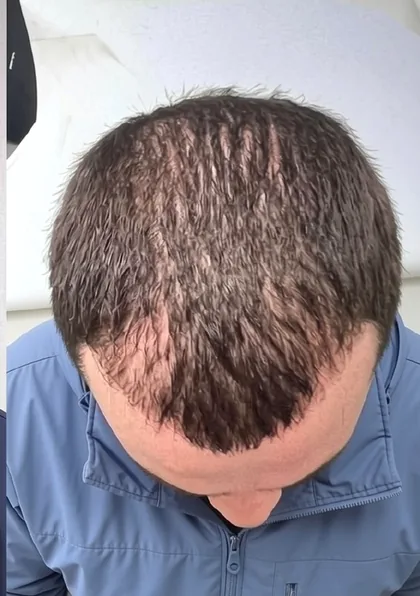
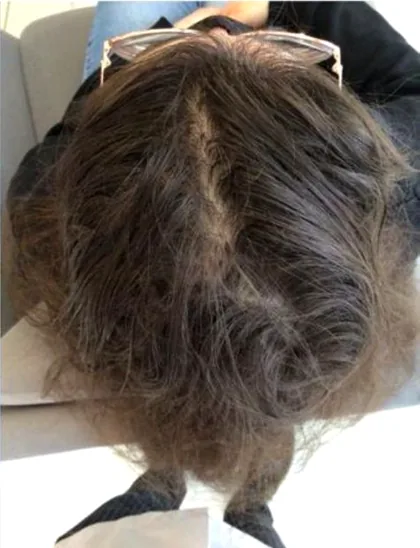
Microscopic images are taken on the first visit. Progress is then formally reviewed every 2 months, so what changed is compared against a record rather than against recollection. Drag any slider to compare.
 After
After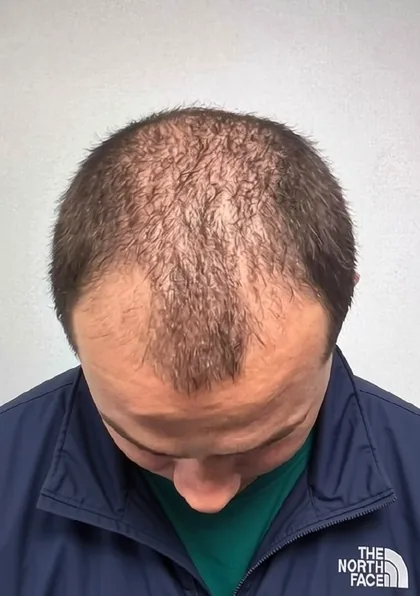 Before
 After
After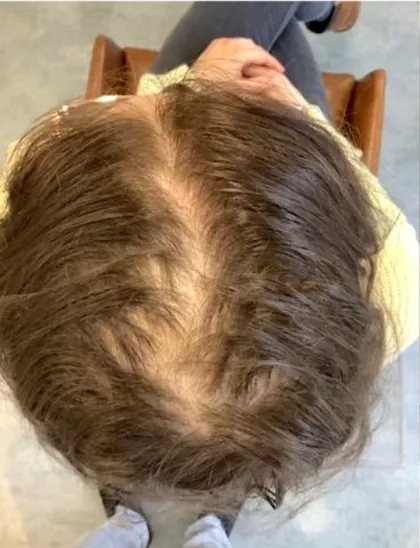 Before
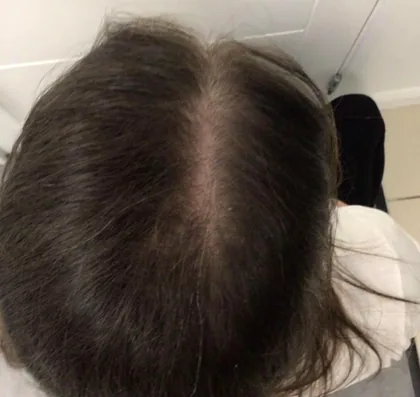 After
After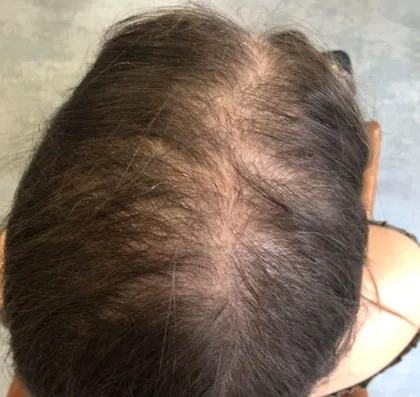 Before
Photographs are of our own patients and published with their consent. Hair restoration is gradual and results vary between individuals. Nothing here is a guarantee of outcome, and suitability is established at consultation first.
How it actually runs
Nothing starts
before the assessment.
Consultation
Complimentary, unhurried, and typically 45 to 60 minutes. We take the time to understand your concerns and your goals before anything is recommended.
Assessment
Your hair and scalp are examined under the microscope, on a screen you can see for yourself, and a baseline record is taken on day one.
Foundation
For most patients the work begins with the environment the hair grows in, not with a therapy layered on top of an untreated scalp.
Review
Progress is formally reviewed every 2 months against those baseline images. If your hair is not responding, we would rather know at two months than at twelve.
I have been visiting the Hampton Clinic for ten years and there is absolutely nowhere else I would go for my treatments. Customers are always welcomed by a warm, polite and efficient team who are experts in their field. Treatments are carried out in an extremely respectful and personal manner.Lindsey Berry
I have been coming here for a very long time for laser hair growth treatment. I originally knew Tarek from a previous clinic, and I have continued to trust him. It never feels rushed or clinical in a cold way. There is always good conversation, genuine care, and a real personal touch, which makes a big difference.
I am impressed, and learnt a lot at my hair loss consultation today at The Hampton Clinic Bristol. They explained everything, what is the cause of my thinning hair, and advised what I should use and take.
Always welcoming, staff very friendly and positive. I have been on numerous occasions and have always been treated respectfully. They keep you updated about your sessions by email and text, and you always get an aftercare email too.
I am impressed, and learnt a lot at my hair loss consultation today at The Hampton Clinic Bristol. They explained everything, what is the cause of my thinning hair, and advised what I should use and take.
L S
Questions
Before
you book.
Is all male hair loss male pattern hair loss?
No. Male pattern hair loss commonly presents as progressive recession around the hairline and temples, or thinning through the crown, and genetic and hormonal factors frequently play a role. But increased shedding, scalp conditions and other contributing factors may also need to be considered, which is why assessment comes before treatment.
I am in my twenties. Is it too early to do anything?
The opposite. Where follicles remain viable and responsive, there may be an opportunity to support the existing hair before further loss occurs. That window is the single biggest variable in what can be achieved.
Should I just have a transplant?
Not as a first step. Transplantation is considered after the foundation has been addressed, so that surgery is focused on what genuinely needs replacing and the donor area is preserved wherever possible.
What happens at the first appointment?
Your hair and scalp are examined under a microscope, on a screen you can see for yourself, and a baseline record is taken. The consultation is complimentary, takes 45 to 60 minutes and carries no obligation to proceed.
Next step
Find out whether it is
male pattern hair loss
at all.
Not every case that looks like male pattern hair loss turns out to be it, and the treatment depends entirely on which it is. The consultation takes 45 to 60 minutes, is complimentary, and carries no obligation.
177 Whiteladies Road · Bristol BS8 2RY