

Real patients,
real records,
in Bristol
Twenty three before and after comparisons and four films from the treatment rooms at 177 Whiteladies Road. Every one is a patient of this clinic, published with their consent and unretouched. Drag any slider to compare.
In short
Are these real results from The Hampton Clinic?
Yes. Every photograph on this page is a patient of The Hampton Clinic in Bristol, published with their consent and without retouching. There is no stock imagery here, no models and no generated pictures.
A record is taken at the start of a programme so progress is measured against it rather than against memory. Hair is photographed under the microscope on day one and reviewed every 2 months. Skin, body and laser are photographed at the start and again as the plan runs. Pairs are colour balanced to each other so what you compare is the skin, not the lighting.
- Comparisons
- 23, across hair, skin, body and laser
- Films
- 4, all shot at Whiteladies Road
- Consent
- Given by every patient shown
- Retouching
- None
- Hair reviews
- Every 2 months against a day one record
- Rated
- 4.9 of 5 from 297 Google reviews
- Address
- 177 Whiteladies Road, Bristol BS8 2RY
- Consultation
- Complimentary, £25 refunded on attendance
Hair and scalp
Before, and after the
same hair had
a fair chance.
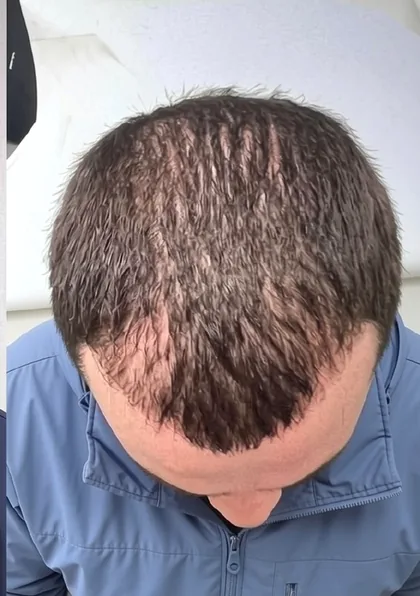
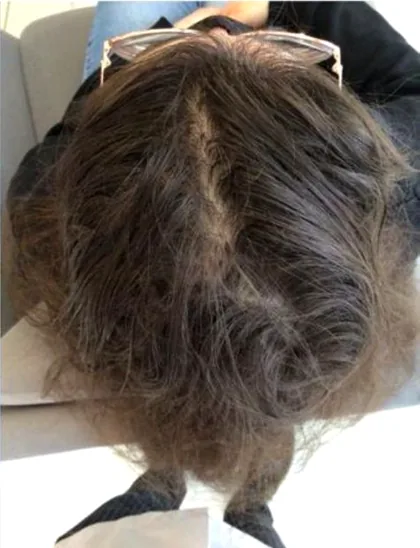
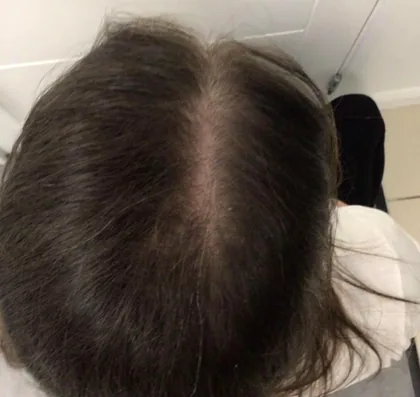
Non surgical hair restoration programmes, photographed against the microscopic baseline taken on day one and reviewed every 2 months as the programme ran.
 After
After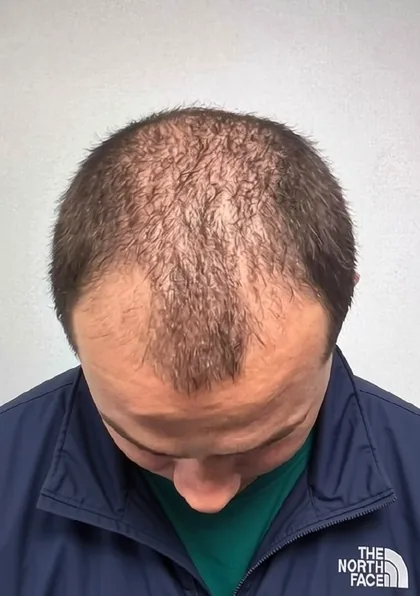 Before
 After
After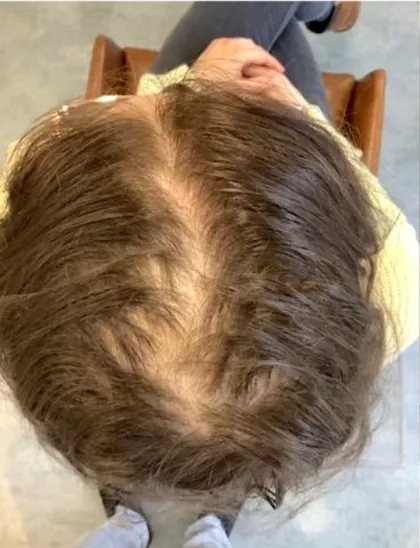 Before
 After
After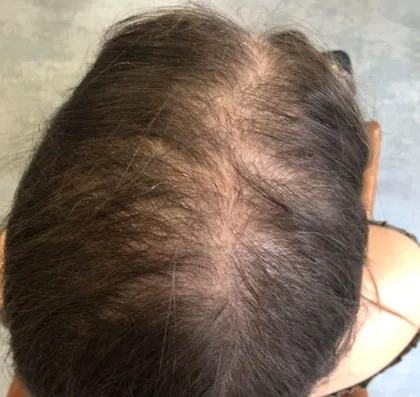 Before
Hair loss has many causes, and two people with similar looking thinning may respond very differently. Where there is not enough viable hair to work with, Tarek will say so rather than start a programme. Results vary between individuals.
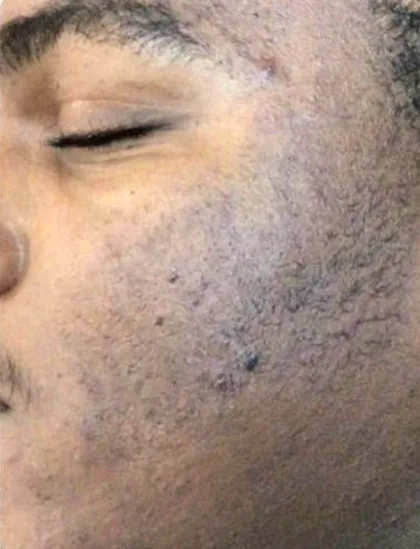
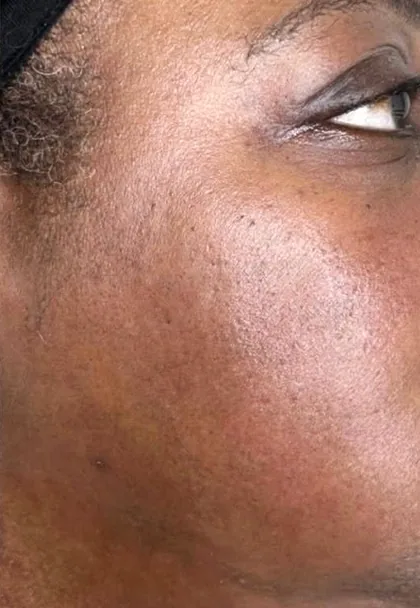
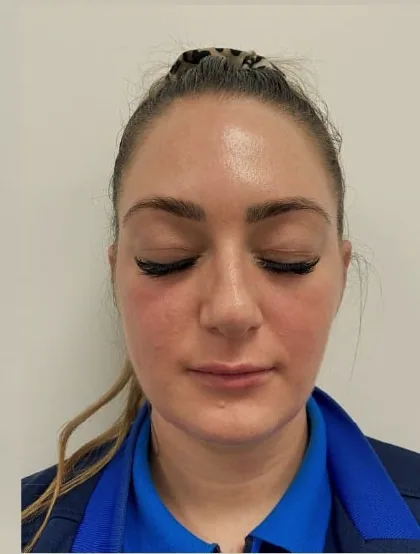
Pigmentation and melasma
Ten faces,
and a range of
skin tones.
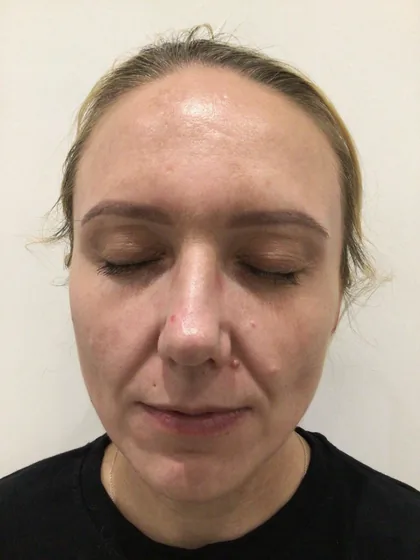
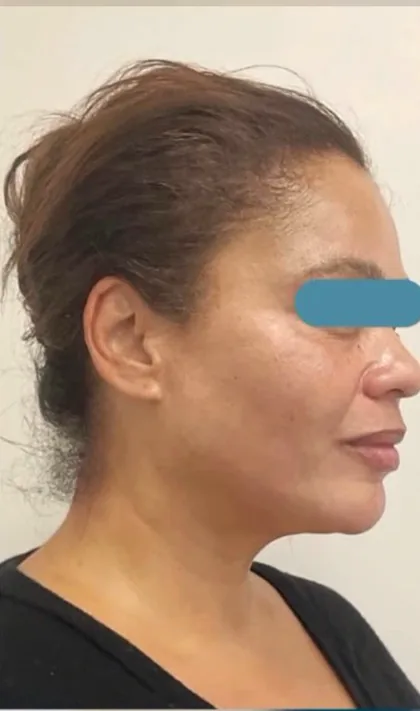
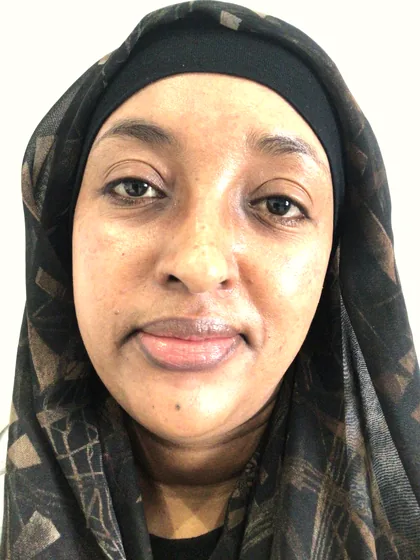
Pigmentation and melasma assessed on their own terms before anything was recommended. The same concern behaves differently on different skin, which is why this set deliberately spans light and deep skin tones rather than showing the easiest cases.
 After
After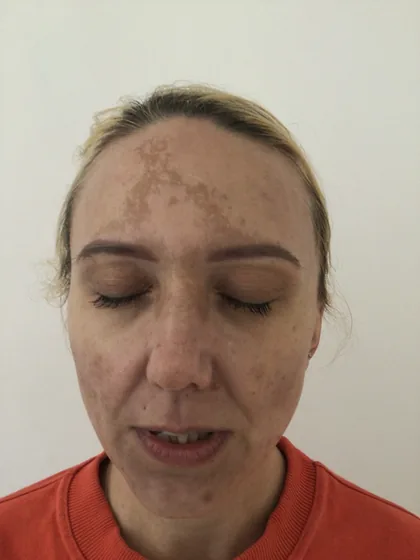 Before
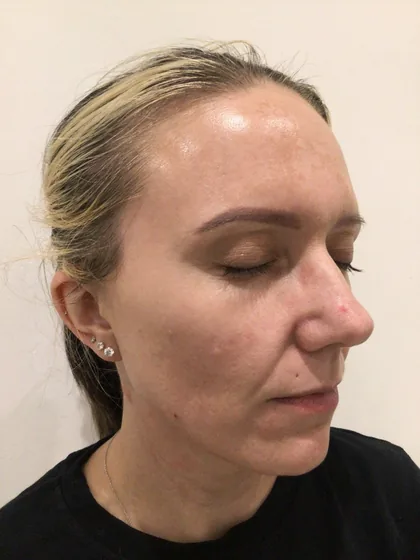 After
After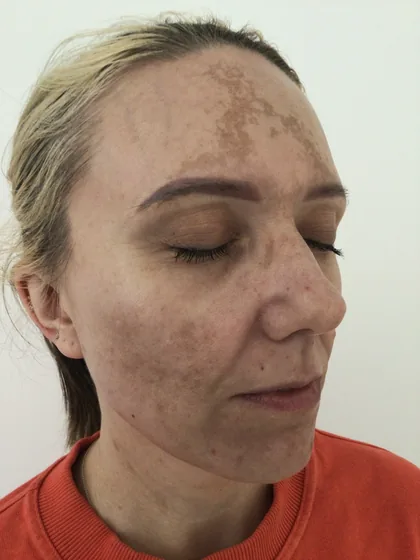 Before
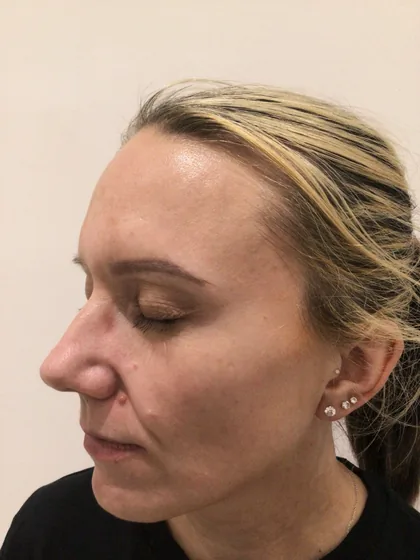 After
After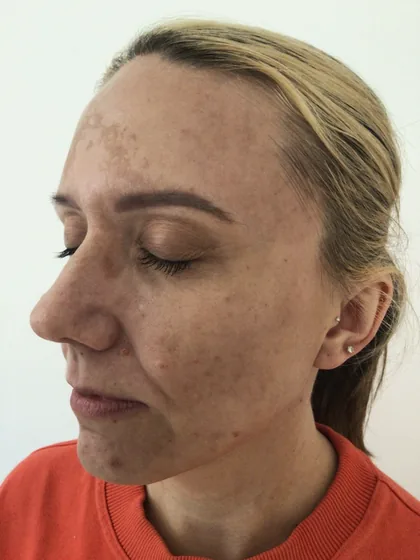 Before
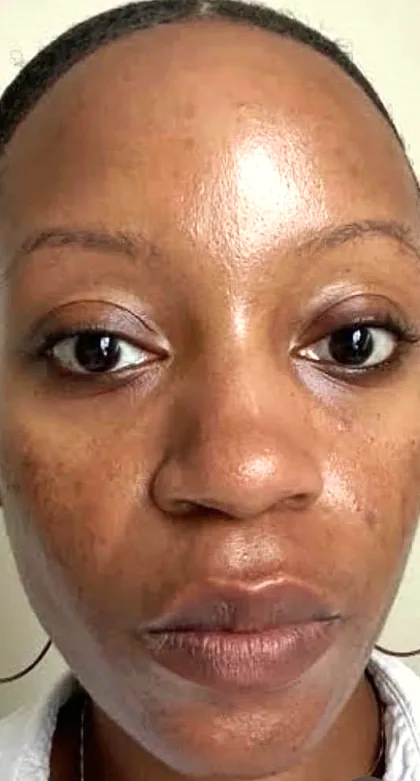 After
After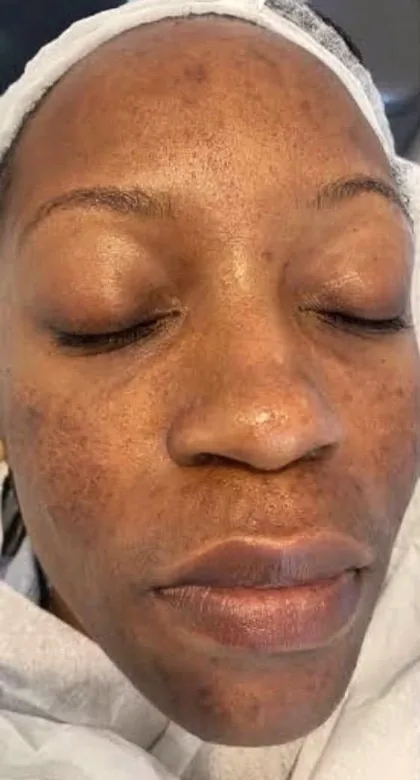 Before
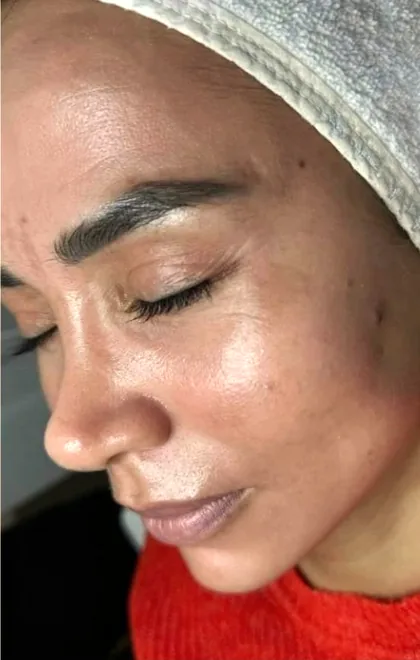 After
After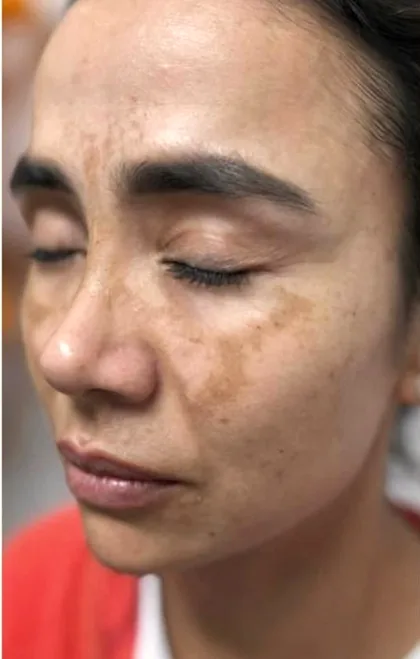 Before
 After
After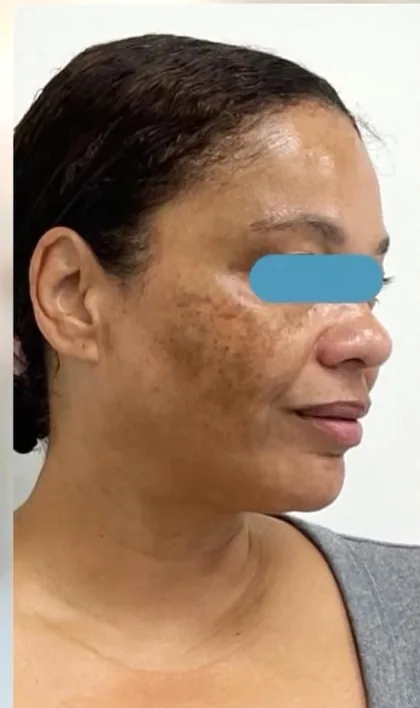 Before
 After
After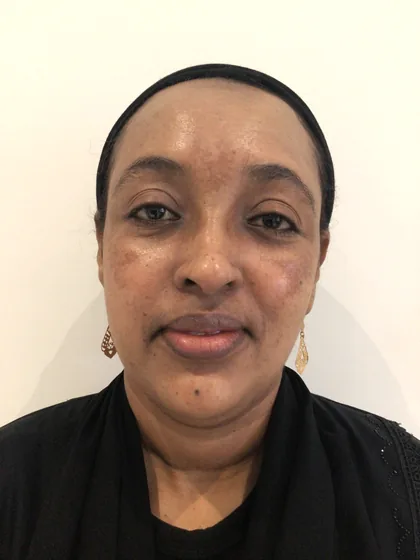 Before
 After
After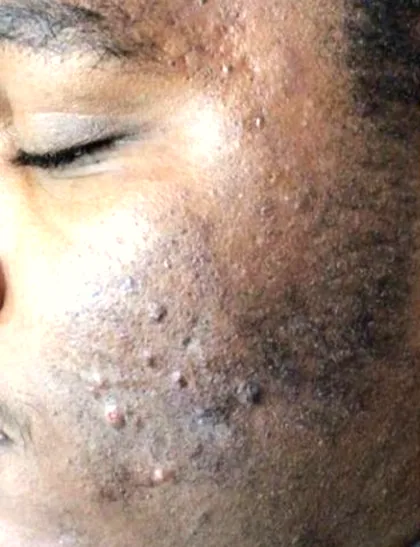 Before
 After
After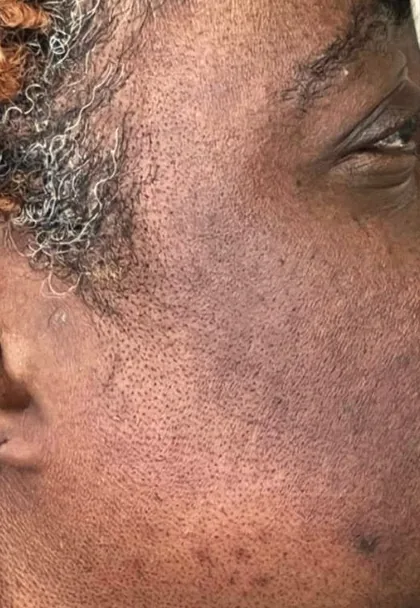 Before
 After
After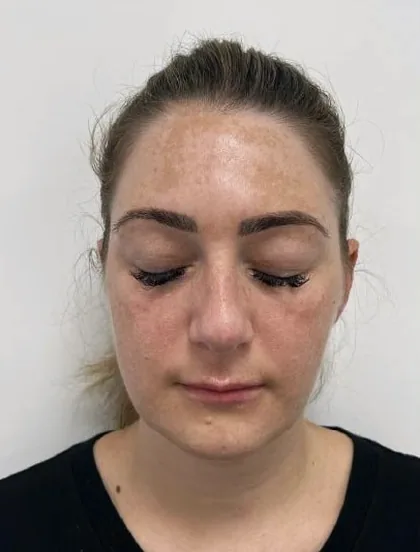 Before
Some forms of pigmentation can return, and homecare and sun protection are usually part of keeping a result. Each patient was treated with a plan decided at their own assessment. Results vary between individuals.
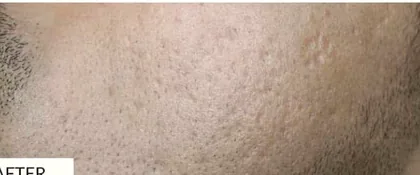
Acne and acne scarring
Texture, and
what settles
underneath it.
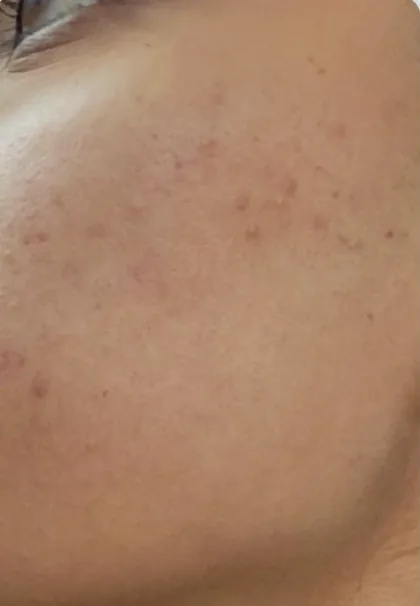
Patients treated with laser skin resurfacing at the clinic, for active acne and for the texture left behind by it. Laser resurfacing is not appropriate for every skin type, which is why suitability is assessed before it is recommended.
 After
After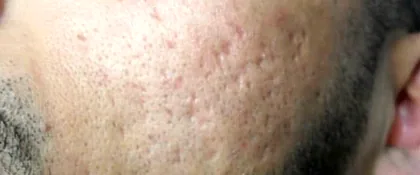 Before
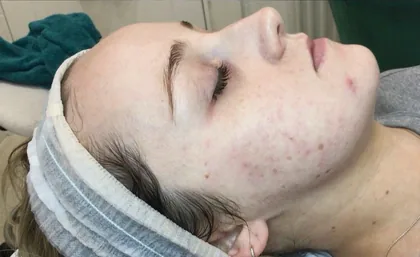 After
After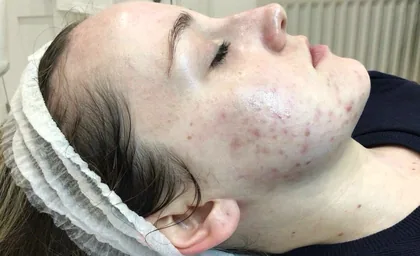 Before
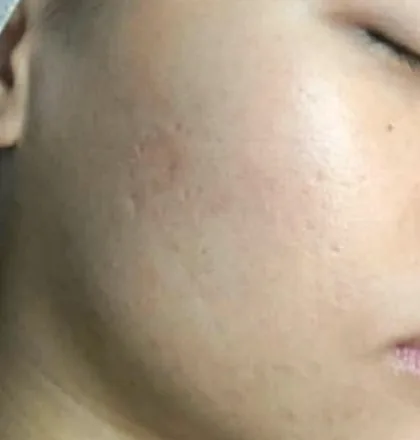 After
After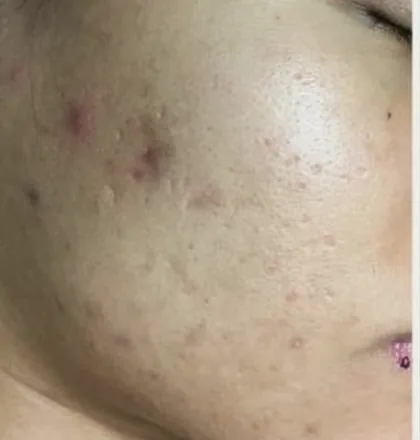 Before
 After
After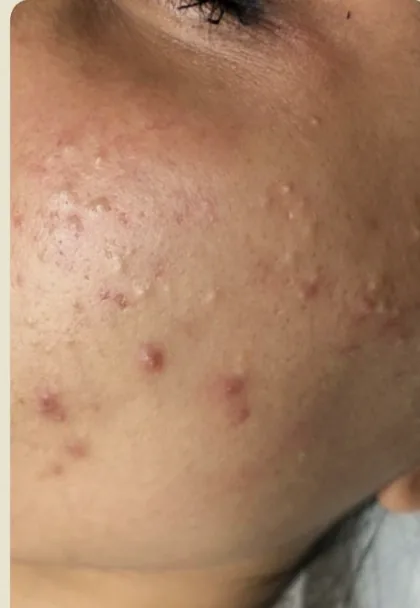 Before
Each patient was treated with a plan decided at their own assessment. Results vary between individuals.
Body contouring
One body,
and a programme
built around it.
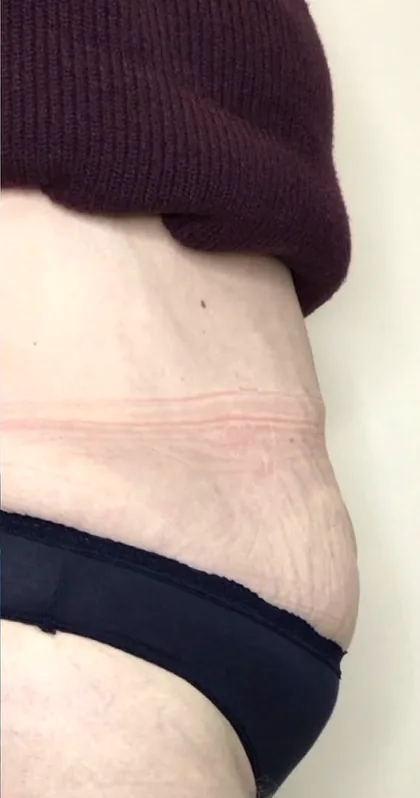
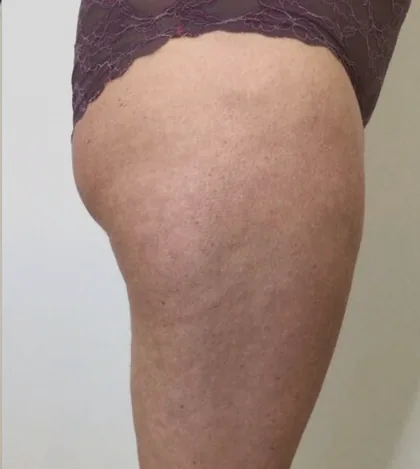
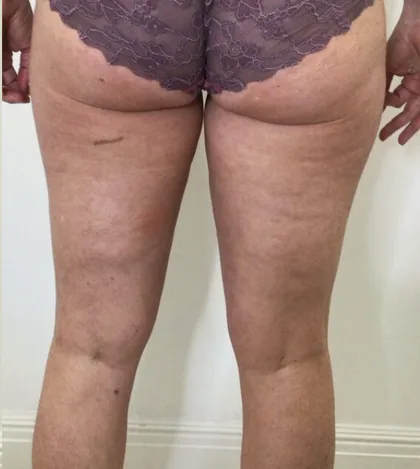
Non surgical body contouring on the 3D-Lipo UltimatePro. Programmes combine cryolipolysis, cavitation, radio frequency and shockwave according to what the assessment finds, so these are results of a programme rather than of one technology used alone.
 After
After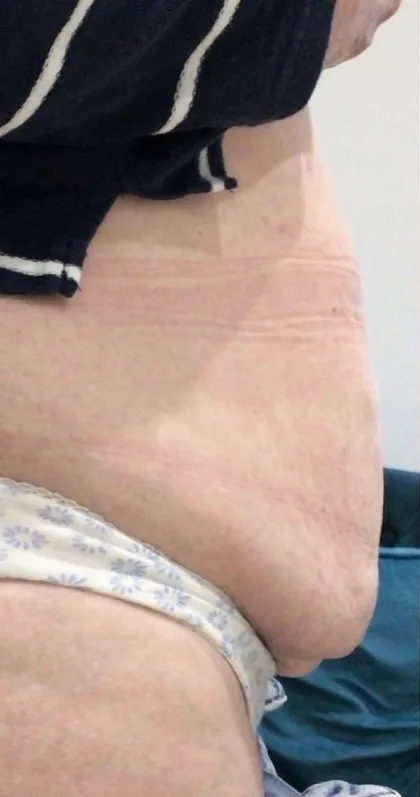 Before
 After
After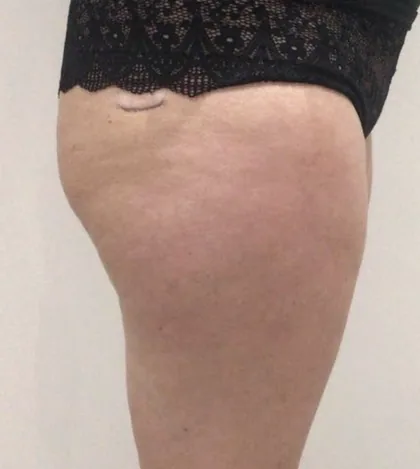 Before
 After
After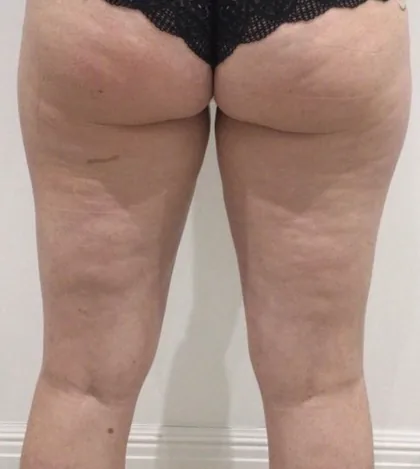 Before
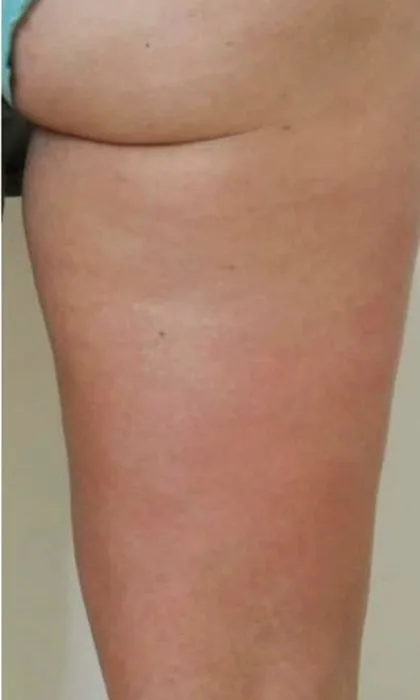 After
After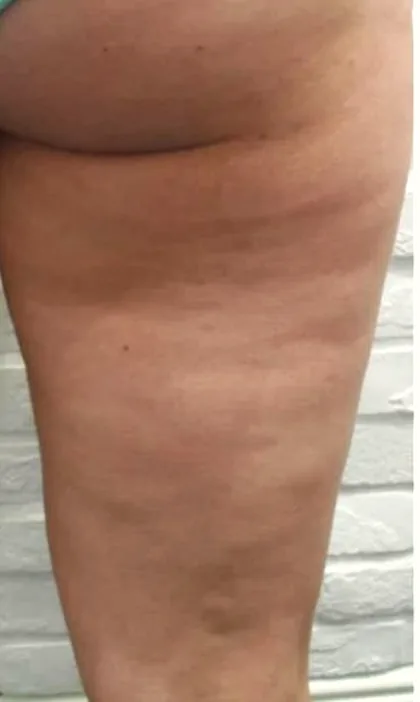 Before
Body contouring is not a weight loss treatment and is not an alternative to weight loss. Results vary between individuals.
Laser hair removal
A course,
and what it
actually does.
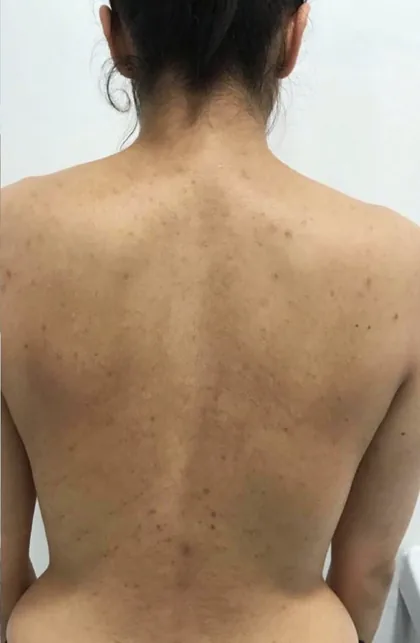
Courses delivered on the Alma Soprano Titanium, which is used here for its safety across Fitzpatrick skin types I to VI including darker and melanin rich skin. Every course begins with a consultation and a patch test.
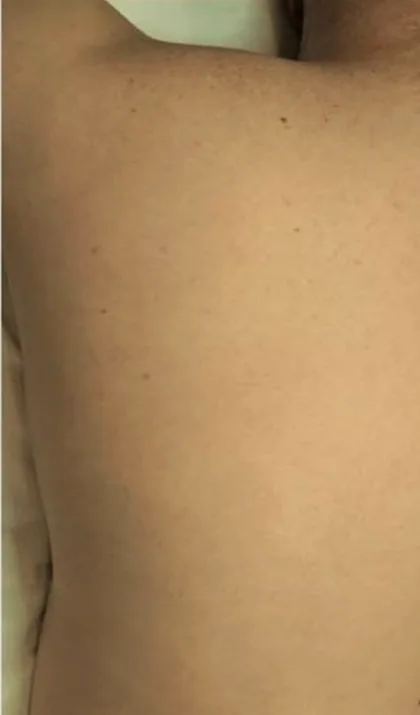 After
After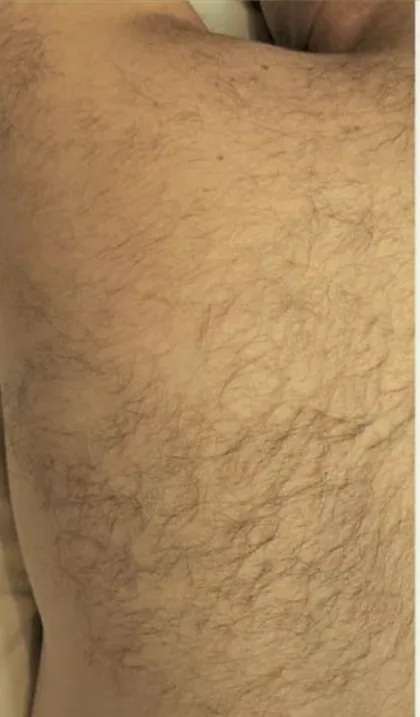 Before
 After
After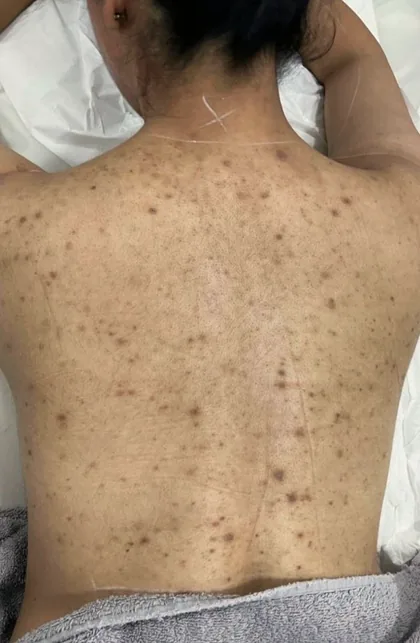 Before
The aim is long term hair reduction. How many sessions you need, and how your skin and hair respond, is established at consultation and patch test. Results vary between individuals.
Inside the clinic
Filmed here,
not staged.
Four short films from the treatment rooms at Whiteladies Road. No set, no model and no voiceover. This is the room, the equipment and the people your appointment happens with.
How progress is recorded
Microscopic images are taken at the beginning of every hair programme to establish a baseline. Progress is then formally reviewed every 2 months, so we compare like against like rather than relying on memory or on how your hair happened to look on the morning of an appointment.
Skin, body and laser are photographed at the start of a plan or course and again as it runs, in the same room, so the comparison is fair. Pairs are colour balanced to each other before publication, because two photographs taken months apart sit under different light and part of an apparent improvement would otherwise just be the bulb.
That record is also what tells us when something is not working. If your hair is not responding, we would rather know at two months than at twelve.
What these photographs do and do not show
These are real patients of the clinic and the photographs are unretouched. They are shown because Tarek believes people considering treatment deserve to see actual outcomes rather than stock imagery.
- Results vary between individuals. The same concern can have different causes in two people, and two people who look similar may respond very differently.
- Nothing here is a guarantee. No clinic can promise an outcome, and any clinic that does should worry you.
- Suitability comes first. Where a treatment is not appropriate or not likely to benefit you, we will say so rather than start.
- Time matters. Hair grows in cycles, skin remodels over months, and body programmes run as courses. Meaningful change is measured in months, not weeks.
Why the people who come early do best
Hair loss does not mean every follicle in a thinning area has been permanently lost. In progressive hair loss, follicles gradually miniaturise and produce finer, shorter, less visible hairs before they stop altogether.
Where those follicles remain viable and responsive, there is an opportunity to support the existing hair before further loss occurs. That window is the single biggest variable in what a photograph like the ones above can show. The same is broadly true of skin: a concern assessed early is usually a shorter plan than the same concern left for two years.
Who carries out the treatments
Tarek Magdy is the clinic director and has worked with hair loss patients since 2014, training under Mr Mark Birch, MAST Fellow and senior consultant trichologist. He carries out every hair loss consultation and scalp assessment himself and accompanies transplant patients to Turkey.
The wider team brings over twenty years of skin treatment experience across the skin, body and laser side of the clinic. Every treatment shown on this page was carried out at 177 Whiteladies Road.
I have been visiting the Hampton Clinic for ten years and there is absolutely nowhere else I would go for my treatments. Customers are always welcomed by a warm, polite and efficient team who are experts in their field. Treatments are carried out in an extremely respectful and personal manner.
Lindsey Berry
Where these were taken
177 Whiteladies
Road, Redland.
177 Whiteladies RoadBristol BS8 2RY
Every photograph and every film on this page was taken at the clinic on Whiteladies Road in Bristol, a short walk from Clifton Down railway station and on the main bus corridor.
Questions
About
these results.
Are these photographs of real patients?
Yes. Every photograph on this page is of a patient of The Hampton Clinic in Bristol, published with their consent and without retouching. Nothing here is stock imagery, a model or a generated picture. Where a patient asked for their eyes to be obscured, they are.
How is progress measured at The Hampton Clinic?
A record is taken at the start. For hair, that means microscopic images of the scalp on day one, with progress formally reviewed every 2 months against them. For skin, body and laser, photographs are taken at the start of a plan or course and again as it runs, in the same room under the same lighting, so what you are comparing is the skin rather than the light.
Will I get the same result?
Not necessarily. These show what was achieved for these patients, on their skin and their hair, over their own plans. Results vary between individuals, and no clinic can promise an outcome. What your own assessment establishes is what is realistic for you, and where a treatment is not likely to benefit you we will say so.
How long does it take to see change?
It depends on what is being treated. Hair grows in cycles and meaningful change is measured in months rather than weeks. Skin plans and body contouring programmes are reviewed as they run. Laser hair removal is priced and planned as a course of eight sessions, with the number you need confirmed at consultation.
Are the photographs edited or filtered?
No. They are colour balanced as a pair so that both halves sit under the same neutral, which is done because two photographs months apart are lit differently and otherwise part of the apparent change would just be the bulb. Nothing is retouched, smoothed, slimmed or reshaped.
Where can I see reviews of The Hampton Clinic?
The clinic is rated 4.9 out of 5 from 297 Google reviews. You can read them on the clinic's Google listing, which is linked from this page and from the contact page.
Next step
Start your own
record on day one.
Every comparison on this page began with an assessment and a photograph taken before anything was recommended. Yours would begin the same way, and the consultation is complimentary.
177 Whiteladies Road · Bristol BS8 2RY